
The Swiss Army Knife for All Your Creative Needs
☰

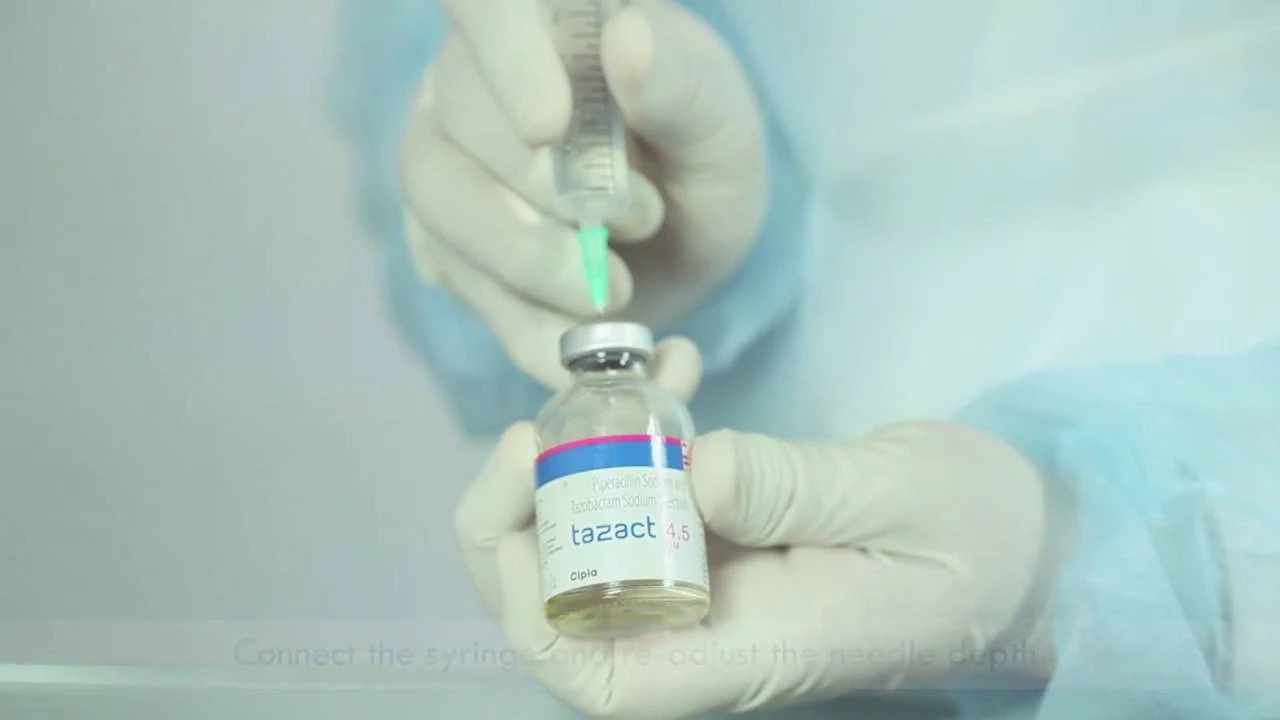
A concise yet highly detailed clinical training film developed for Cipla Critical Care to standardize the reconstitution process for Tazact across hospitals and healthcare institutions. The video combines procedural accuracy with visual clarity to support nurses, pharmacists, doctors, and clinical teams in maintaining sterility, dosage accuracy, and compliance during critical care administration workflows.
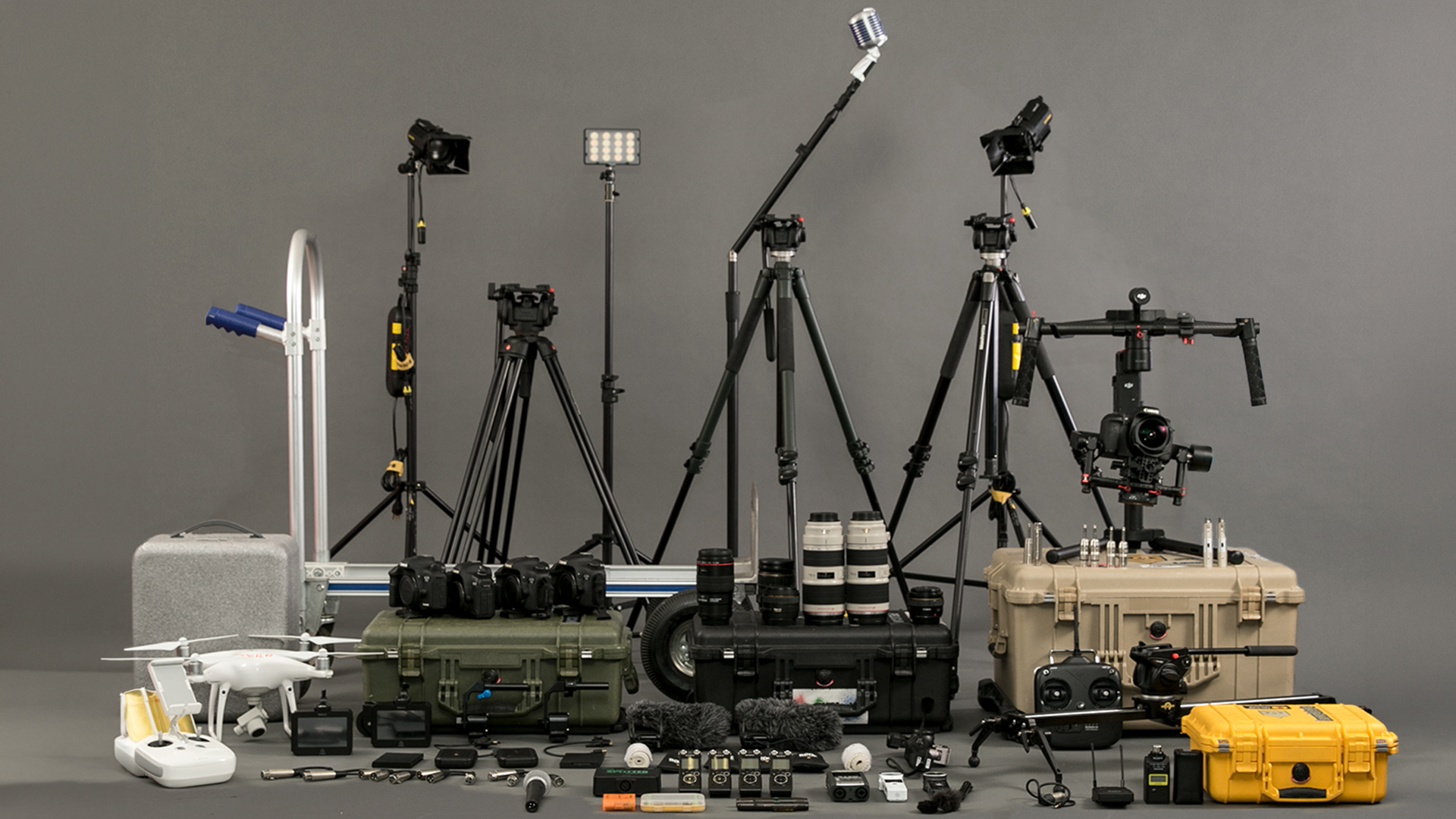
As injectable anti-infective therapies become increasingly important in intensive care and hospital environments, pharmaceutical manufacturers require consistent training tools that can be deployed across healthcare institutions, nursing teams, and pharmacy departments. Cipla Critical Care commissioned this educational film to demonstrate the correct reconstitution methodology for Tazact in both 2.25g and 4.5g strengths while reinforcing safe clinical handling practices.

The objective extended beyond product awareness and focused on creating a repeatable visual protocol that could reduce procedural variation during drug preparation. The film was designed to support:
Instructional content in healthcare often relies heavily on written inserts and procedural manuals. The production approach converted these technical instructions into a clear visual workflow that healthcare professionals could quickly understand and replicate in real-world settings.
Close-up cinematography, detailed product visuals, and step-by-step sequencing ensured that every stage of the process remained unambiguous and easy to follow.
The film documented the full preparation cycle for Tazact, including equipment preparation, syringe and needle assembly, diluent extraction, vial preparation, injection technique, mixing procedures, and final visual inspection.
Special attention was given to demonstrating the reconstitution process for the 4.5g formulation using 20 ml Sterile Water for Injection while also covering the requirements for the 2.25g presentation.
The narrative reinforced important considerations such as:
Producing pharmaceutical training content requires a different production methodology from conventional corporate communication films. Clinical accuracy, procedural sequencing, product visibility, and regulatory sensitivity become central to the storytelling process.
The film combined macro product cinematography, instructional overlays, and controlled demonstrations to create an educational asset suitable for deployment across hospitals, training programs, and clinical education initiatives.
For pharmaceutical organizations, training videos serve as scalable knowledge transfer tools that improve consistency across geographically distributed healthcare systems. This project demonstrates how Pharmaceutical Manufacturing companies can leverage Medical Training Video production to support safer medication administration practices and improve user confidence in product handling.
The result was a professional clinical education film that aligned product training with patient safety objectives while strengthening engagement with healthcare professionals operating in demanding critical care environments.









WhatsApp Message