
The Swiss Army Knife for All Your Creative Needs
☰


A corporate sustainability film documenting how LANXESS India transformed agricultural waste into a reliable energy source through a biomass-based cogeneration facility in Nagda, Gujarat, demonstrating how industrial manufacturing can improve energy security, reduce emissions, and strengthen operational resilience through innovative resource utilization.

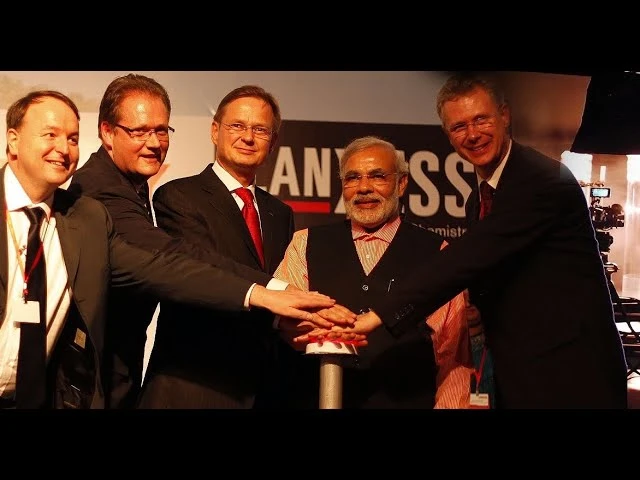
As manufacturing facilities continue to seek alternatives to fossil fuels and grid dependency, LANXESS India commissioned a promotional film to showcase its biomass-based cogeneration plant at its Nagda manufacturing site in Gujarat. The project highlighted how locally available agricultural residue could be converted into dependable steam and electricity for large-scale chemical production operations.

The primary objective of the video was to simplify a technically sophisticated energy ecosystem into a compelling business narrative that could be understood by corporate stakeholders, sustainability teams, investors, engineers, procurement professionals, and industrial decision-makers evaluating Renewable Energy and Industrial Energy solutions.
The film aimed to demonstrate:

The cogeneration facility uses soya husk sourced from agricultural processing units located within approximately 100 kilometers of the plant. This biomass waste material is converted into high-pressure steam through a dedicated boiler system.

The production narrative followed the complete energy cycle:
By illustrating the entire workflow, the film helped communicate the operational advantages of Biomass Energy and Industrial Cogeneration for Chemical Manufacturing environments.

Rather than presenting isolated equipment visuals, the film was structured around the broader business value delivered by the facility. The storytelling connected agricultural supply chains, industrial utilities, manufacturing reliability, and environmental stewardship into a single integrated narrative.

This approach ensured relevance for:
The project highlighted several measurable achievements that strengthened the business case for renewable industrial energy adoption:

These outcomes positioned the facility as a benchmark example of Industrial Sustainability and Decarbonization within the Chemical Industry.
One of the strongest outcomes documented in the film was the site's ability to achieve near complete energy self-sufficiency. Reduced exposure to energy price volatility and improved operational reliability delivered both economic and strategic advantages for manufacturing continuity.
For organizations exploring Energy Efficiency, ESG Reporting, 3d Animation Industrial Utilities modernization, or Sustainable Manufacturing initiatives, the project demonstrated how engineering innovation can create measurable commercial and environmental returns simultaneously.






















WhatsApp Message